
Best Time to Visit Turkey and Greece (Month-by-Month Guide)

Updated: 2 days ago
The best time to visit Turkey and Greece is generally May, June, September or early October. These months offer an excellent balance of comfortable sightseeing weather, enjoyable coastal conditions and fewer crowds than the busiest weeks of July and August.
However, the right month depends on your itinerary. A cultural journey through Istanbul, Cappadocia, Ephesus and Athens has different seasonal considerations from a trip focused on Greek islands and Turkey’s Aegean coast.
This month-by-month guide will help you choose the best period for your combined Turkey and Greece trip.
Quick Answer: When Should You Visit Turkey and Greece?
For most travellers:
Best overall: May, June and September
Best for sightseeing: April, May, September and October
Best for beaches and swimming: June through September
Best for fewer crowds: April, May and October
Best for city-focused travel: March through May and September through November
Busiest period: July and August
Best winter option: Istanbul and Athens rather than an island-focused itinerary
September is often the best single month for combining both countries. The sea is still warm, the most intense summer heat usually begins to ease, and cultural sightseeing becomes more comfortable.
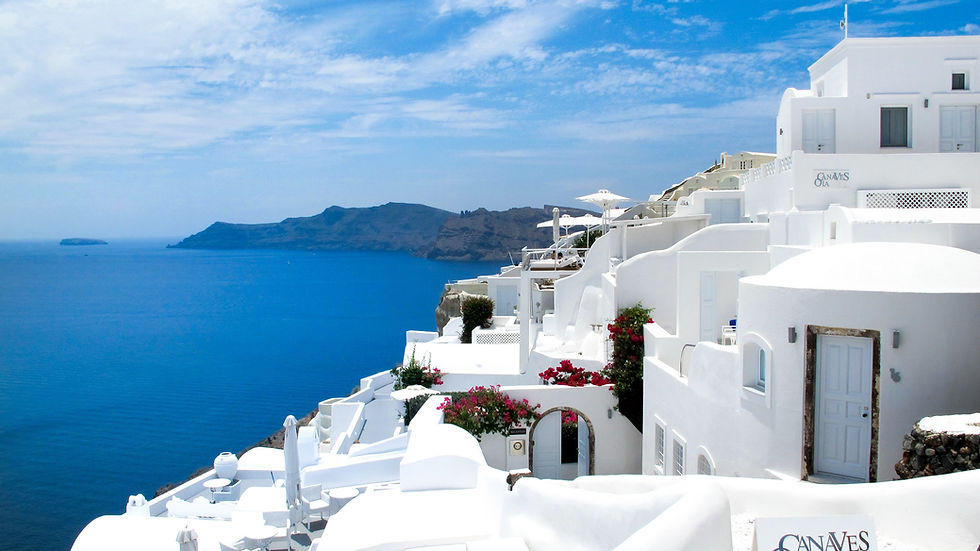
Turkey and Greece Month by Month
January
January is quiet and better suited to cultural city breaks than coastal travel.
Istanbul and Athens remain active throughout the year, making them the strongest choices for a winter itinerary. Museums, historic neighbourhoods and archaeological attractions can be explored without peak-season crowds.
Cappadocia can be beautiful in winter, but cold weather and snow are possible. Greek island services and seasonal accommodation may be limited.
Best for: Istanbul, Athens, museums, food and quiet cultural travel.
February
February remains firmly in the low season. The weather can be cool and changeable, but major cities and year-round destinations remain accessible.
This is not the best month for travellers imagining a classic Greek island holiday. It can, however, suit visitors who prioritize history, local life and indoor attractions over swimming and beach time.
Best for: City breaks, museums and travellers comfortable with cooler weather.
March
March marks the beginning of the transition toward spring. Days become longer, landscapes begin to change and sightseeing conditions can be pleasant, although rain and cooler periods are still possible.
Istanbul, Athens and western Turkey work well at this time. Cappadocia can remain cold, especially in the mornings and evenings. Many Greek islands are still preparing for the main travel season.
Best for: Cultural touring, archaeological sites and quieter cities.
April
April is one of the strongest months for a history-focused journey through Turkey and Greece.
Temperatures are generally more comfortable for walking through ancient sites, exploring Istanbul and Athens, and visiting inland destinations. Spring landscapes also make road travel particularly attractive.
The sea may still feel cool, and some smaller islands may not yet offer their full summer range of hotels, restaurants and transport services.
Easter dates vary each year, and Greek Orthodox Easter can create periods of strong domestic travel demand. Confirm holiday dates before finalizing your arrangements.
Best for: History, photography, walking and spring scenery.
May
May is one of the best months to visit both Turkey and Greece.
The weather is usually well suited to sightseeing, outdoor dining and exploring archaeological sites. Coastal destinations and Greek islands become livelier, while the largest summer crowds have generally not yet arrived.
The sea can still be cool early in the month, but conditions become increasingly suitable for coastal activities as June approaches.
Best for: First-time visitors, cultural touring, islands and balanced itineraries.
June
June offers warm weather, long days and increasingly enjoyable swimming conditions.
It is a particularly good month for travellers combining historical destinations with time on the Aegean or Mediterranean coast. Ferry networks and seasonal tourism services are usually operating more extensively than during spring.
Demand increases as the month progresses, so travellers planning popular islands or coastal resorts should arrange important accommodations and connections in advance.
Best for: Beaches, island travel, sailing and combined cultural-coastal trips.
July
July is hot, busy and energetic.
It works well for travellers whose priority is swimming, beaches, nightlife and a lively island atmosphere. However, midday sightseeing can be tiring, especially at open archaeological sites with limited shade.
Plan outdoor visits for the morning or late afternoon, allow time for rest and avoid building an itinerary that requires long hours of walking during the hottest part of the day.
Best for: Beach holidays, swimming and summer nightlife.
August
August is normally one of the busiest periods in both countries, particularly at famous islands, coastal resorts and landmark attractions.
Travellers receive the full summer experience, but popular destinations may have less availability and require more advance planning. Heat can also affect the pace of a cultural itinerary.
August can still be an excellent choice if summer atmosphere and beach time are your priorities. It is less suitable for travellers seeking quiet destinations or intensive sightseeing.
Best for: Peak-summer holidays, beaches and lively resorts.
September
September is often the best month for a combined Turkey and Greece journey.
Coastal and island destinations remain active, while conditions usually become increasingly comfortable for sightseeing as the month progresses. The sea retains much of its summer warmth, making it possible to combine beaches with historic cities and archaeological sites.
Early September can still feel busy in popular destinations, but the overall balance of weather, services and activities is excellent.
Best for: The strongest overall combination of culture, islands and coastal travel.
October
October is an excellent choice for travellers who care more about history, food and local atmosphere than peak beach conditions.
The first part of the month can still work well for the Aegean coast and some Greek islands. Later in October, weather becomes less predictable and seasonal island services may begin to reduce.
Istanbul, Athens, Ephesus and other cultural destinations remain rewarding even when coastal conditions change.
Best for: Sightseeing, food, photography and fewer crowds.
November
November is better for a city-and-culture itinerary than for island hopping.
Istanbul and Athens remain strong choices, and cooler conditions can make walking and archaeological sightseeing more comfortable. Rain becomes more likely, so itineraries should include some flexibility.
Smaller islands and resort areas may have fewer accommodation, restaurant and transport options.
Best for: Cities, museums, history and flexible cultural travel.
December
December suits travellers interested in winter city experiences rather than beaches.
Istanbul and Athens offer historic attractions, neighbourhoods, restaurants and seasonal atmosphere throughout the month. Cappadocia may provide dramatic winter scenery, although weather can affect outdoor activities.
A December trip should normally focus on year-round destinations rather than relying heavily on small islands or seasonal coastal resorts.
Best for: Winter city breaks, cuisine, museums and festive travel.

Regional Differences Matter
Turkey and Greece include many different climates and landscapes. Conditions in one destination should not be used to predict the entire trip.
Istanbul and Athens
Both cities are year-round destinations. Spring and autumn are particularly attractive because walking and sightseeing are generally more comfortable than during the hottest summer weeks.
Cappadocia and Inland Turkey
Cappadocia has colder winters and greater temperature changes than the Turkish coast. Spring and autumn are popular, but mornings and evenings can still be cool.
Weather can affect hot-air balloon operations at any time of year, so a balloon flight should never be treated as guaranteed.
Ephesus and Western Turkey
Ephesus and nearby Aegean destinations can become very hot during summer. April, May, September and October are often better for travellers planning extensive archaeological sightseeing.
Athens and Mainland Greece
Athens can be visited year-round, although midsummer heat may make daytime sightseeing more demanding. Spring and autumn allow a more comfortable pace for walking and visiting ancient sites.
The Greek Islands
Island seasons vary. Famous islands have longer tourism seasons, while smaller islands may have fewer services outside late spring, summer and early autumn.
Ferry schedules also change by season and route. Always confirm transportation before building an itinerary around a particular island connection.
The Turkish Coast
Turkey’s Aegean and Mediterranean coasts have a longer warm-weather season than many inland regions. Late spring through early autumn is generally best for coastal travel, with July and August bringing the greatest heat and demand.
Best Time by Travel Style
For Ancient Sites and Cultural Touring
Choose April, May, September or October.
These months usually offer more comfortable conditions for places such as Istanbul, Cappadocia, Ephesus, Pamukkale, Athens and mainland archaeological sites.
For Greek Islands and the Turkish Coast
Choose June through September.
May and early October may also work, but travellers should check seasonal hotel, ferry and activity availability.
For Swimming and Beaches
Choose June, July, August or September.
July and August provide the strongest summer atmosphere, while June and September usually offer a better balance between beach time and cultural sightseeing.
For Fewer Crowds
Consider April, May or October.
These periods are particularly attractive for travellers who value historic sites, local experiences and a more relaxed pace.
For Istanbul and Athens Only
March through May and September through November are especially comfortable, but both cities can be visited throughout the year.
How Long Do You Need for Turkey and Greece?
For a first combined journey, approximately two weeks allows enough time to experience major highlights without turning every day into a transfer day.
A balanced itinerary might include:
Istanbul
Cappadocia or Ephesus
Athens
One Greek island or an additional mainland destination
Travellers with less time should focus on fewer places. A short trip combining Istanbul and Athens can work well, but adding Cappadocia, the Turkish coast and several islands requires more time.
Should You Visit Turkey or Greece First?
Either direction can work. The best order depends on international flights, domestic connections, ferry schedules and the specific places included.
When island travel is involved, build the itinerary around confirmed transportation rather than assuming every route operates daily or throughout the year.
A customized itinerary can also reduce unnecessary backtracking and help you choose the most practical arrival and departure cities.
Planning a Combined Turkey and Greece Tour
A successful combined journey should account for more than weather. Travel time, seasonal transportation, the number of hotel changes and the balance between guided touring and free time all affect the experience.
Go Epic Tours designs customized journeys based on your preferred dates, travel style and interests. Explore our Essential Turkey and Greece tour for an example of how the two countries can be combined, or view our custom Turkey tours and custom Greece tours for country-specific ideas.
Frequently Asked Questions
What is the best month to visit Turkey and Greece together?
September is often the best single month. It combines warm coastal conditions with increasingly comfortable sightseeing weather. May and June are also excellent choices.
Is May a good time to visit Turkey and Greece?
Yes. May is one of the best months for a combined trip. The weather is generally favourable for sightseeing, landscapes are attractive and coastal destinations are becoming active before the busiest summer period.
Is October too late for Turkey and Greece?
Not necessarily. Early October can be excellent for cultural touring and may still suit coastal travel. Later in the month, island services and ferry frequencies may become more limited, so transportation should be checked carefully.
When is the best time for Greek islands and Turkey?
June and September provide an especially good balance for a trip that combines Greek islands with Turkey. July and August are better for peak-summer energy but bring greater heat and demand.
Can you visit Turkey and Greece during winter?
Yes, especially if the itinerary concentrates on Istanbul, Athens, museums, cuisine and major cultural attractions. Winter is less suitable for travellers whose main goal is island hopping or beach time.
How many days do you need for Turkey and Greece?
Allow approximately 12 to 16 days for a comfortable first journey through both countries. Shorter trips should concentrate on Istanbul, Athens and perhaps one additional region rather than trying to cover too much.
Continue Planning Your Turkey and Greece Trip
Choosing your travel dates is only the beginning. These practical guides can help you decide where to go and how to structure your journey:
14-Day Turkey and Greece Itinerary
See how Istanbul, Cappadocia, Ephesus, Athens and Santorini can be combined into a comfortable two-week route.
Greek Islands or Turkish Riviera?
Compare the scenery, atmosphere, beaches and travel styles of the Greek islands and Turkey’s Aegean and Mediterranean coasts.
First Trip to Greece: Essential Travel Tips
Learn what first-time visitors should know about transportation, islands, weather, cultural sites and planning a smooth Greece itinerary.
Start Planning Your Turkey and Greece Journey
The best time to visit Turkey and Greece depends on what you want to experience. May, June and September offer the best overall balance for most travellers, while spring and autumn are particularly rewarding for history, culture and a comfortable touring pace.
If you would like an itinerary built around your dates and interests, explore our Essential Turkey and Greece tour and contact Go Epic Tours to begin planning a customized journey.
Explore Turkey and Greece Tours


Comments