


Italy and Greece Itinerary: Rome to Santorini

Updated: Nov 10
A Rome and Greece trip works best when you count hotel nights and connection days before choosing stops. This guide’s 14-day example combines Rome, Florence, Venice, Athens and Santorini over 13 nights. For fewer hotel changes, keep Rome, Athens and one Greek island and redesign the night allocation.
If you are flying from the United States, allow your outbound travel day separately from the days in this itinerary. Check the complete return journey before fixing the final hotel nights, including whether an Athens overnight is needed after Santorini.
Use this guide to compare route choices, then explore our 13-day Italy and Greece tour as a customizable starting point. Its 12 hotel nights differ from the longer example below. Private road transfers and local support help coordinate the journey; your quotation confirms transport, hotel choices and which sightseeing experiences are shared or private.
Italy and Greece Travel Guide: Why Combine These Destinations
If you're planning a trip to Europe, one of the smartest decisions you can make is combining Italy and Greece into a single journey.
These two countries complement each other perfectly — offering a balance of history, culture, relaxation, and scenic beauty that few destinations can match.
You can walk through the ancient streets of Rome and continue your journey in Athens, where Western civilization began. Within one trip, you move from Italy’s countryside and dramatic coastlines to Greece’s island landscapes and crystal-clear waters.
Food also plays a major role in shaping the experience. Italian cuisine paired with Greek Mediterranean flavors creates a journey that is just as memorable through taste as it is through sights.
Plan the connection between your final Italian stop and your first Greek destination before confirming the route. Check flight availability for your dates and allow for airport transfers, check-in, baggage and onward travel; the flight itself is only part of the transfer day.
What makes this combination truly special is the balance — vibrant cities filled with history and culture, followed by relaxing island moments where time slows down.
For a first Rome and Greece vacation, choose between two historic capitals and one island, or a longer route through more Italian cities. Rome, Athens and Santorini keep hotel changes lower. Adding Florence and Venice brings more art and variety, but also more travel days. Start with your available nights and preferred walking pace.

Italy and Greece Travel Guide: Top Places to Visit
Choosing the right destinations is the key to creating a smooth and enjoyable journey. Instead of trying to see everything, focus on a few well-connected places that offer variety and balance.
Italy
Rome: Italy’s capital is a must for first-time visitors. From the Colosseum and Roman Forum to the Vatican, Rome offers a powerful introduction to history, architecture, and culture.
Florence & Tuscany: Florence is the heart of Renaissance art and architecture, while Tuscany offers rolling vineyards, charming towns, and a slower pace of travel. This region is ideal for couples and culture-focused travelers.
Amalfi Coast: Famous for its dramatic cliffs and colorful seaside villages like Positano, the Amalfi Coast is one of the most scenic regions in Europe. It’s perfect for relaxation, luxury stays, and unforgettable coastal views.
Puglia (Hidden Gem): For travelers looking to avoid crowds, Puglia offers authentic Italian charm with beautiful coastlines, historic towns, and a more relaxed atmosphere.
Greece
Athens: Athens combines ancient history with modern energy. Visiting the Acropolis and walking through historic neighborhoods gives you a deep connection to the origins of Western civilization.
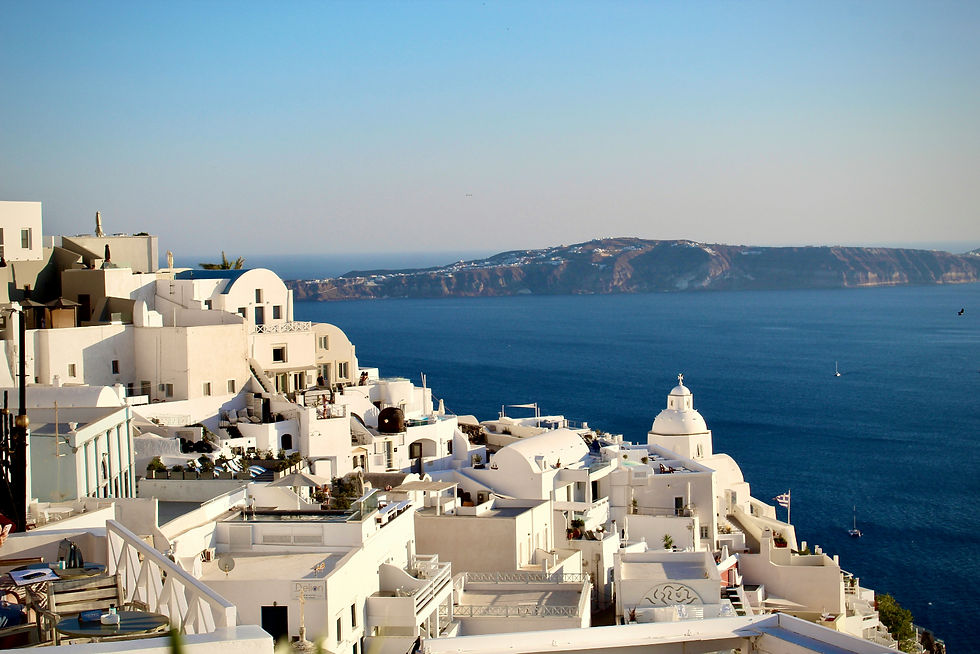
Santorini: Known for its whitewashed buildings and breathtaking sunsets, Santorini is one of the most iconic destinations in the world. Ideal for couples and luxury travelers.
Mykonos: A lively island known for beaches, nightlife, and boutique experiences. Great for travelers looking for a vibrant atmosphere.
Crete or Lesser-Known Islands: Crete offers Chania, Heraklion, Minoan history and varied coastal scenery. Crowds differ by town, season and hotel location; discuss your preferred atmosphere rather than assuming any island will be quiet.
A 14-day Italy and Greece itinerary: Rome to Santorini
A well-balanced itinerary is the difference between a stressful trip and a seamless journey.
Instead of rushing between too many destinations, the goal is to create a flow that allows you to experience both countries comfortably.
This planning example covers 14 days and 13 hotel nights, counted from arrival in Italy. Allow your outbound US travel day separately. It is a longer example, not the exact 13-day package linked below.
Days 1–3: Rome — three nights. Keep arrival day light, then plan time for the Colosseum, Roman Forum or Vatican around your interests. Confirm guided visits and admission arrangements before travel.
Days 4–5: Florence — two nights. Travel from Rome and leave time for the historic centre or a selected art visit. Treat the journey and hotel change as part of the day rather than scheduling back-to-back activities.
Days 6–7: Venice — two nights. Travel from Florence, settle in and explore at your preferred pace. Confirm how luggage and the final approach to your hotel will be handled; road access does not extend to every Venice address.
Days 8–9: Athens — two nights. Use Day 8 for the Italy-to-Greece connection confirmed for your dates. Allow for airports, baggage and hotel arrival; plan the Acropolis or other guided sightseeing for Day 9.
Days 10–13: Santorini — four nights. Travel using the confirmed flight or ferry, then balance a selected island introduction with free time. Discuss hotel steps, room access and any optional cruise before booking.
Day 14: Departure. Confirm the complete journey home before fixing the final nights. If an Athens overnight is preferable before your international flight, move one Santorini night to Athens and quote the revised route.
Five overnight bases bring variety but also four hotel changes. For fewer transitions, keep Rome, Athens and Santorini and redistribute the nights. Choose the route around your pace, not the longest list of stops.
The Amalfi Coast or Puglia would require a redesigned route or extra nights; they are not included in this example. Confirm hotel locations, transport, guided experiences and availability in your personalized quotation.
Italy and Greece Travel Guide: Best Time to Visit
Timing plays a major role in how much you enjoy your trip.
Each season offers a different experience, and choosing the right one depends on your travel style.
Spring (April – June) : Mild temperatures, blooming landscapes, and fewer crowds make this one of the best times to visit. Ideal for sightseeing and walking tours.
Summer (July – August) : Peak season with hot weather and busy destinations. Perfect for beaches and island experiences, but requires early booking.
Fall (September – October) : One of the best overall periods. Warm weather, fewer crowds, and a more relaxed atmosphere.
Winter (November – March) : Lower prices and quieter cities. Best for cultural travel in Rome and Athens, but not ideal for island hopping.
Choosing the right season can completely change your experience — from crowded and fast-paced to relaxed and immersive.

What to Expect When Traveling
Understanding how travel works between Italy and Greece will help you avoid common mistakes.
Treat the Italy-to-Greece connection as a travel day, even when the flight is short. Check airports, baggage allowances and transfer times before booking. Private road transfers simplify arrivals; flights, trains, ferries and selected excursions remain shared services unless your quotation confirms a private arrangement.
Compare complete trip costs for your dates rather than assuming one country is cheaper. Hotel category, island choice, transfers, guided visits and transport between stops can change the total considerably.
During peak months, popular destinations can become crowded. Planning ahead and choosing the right timing will help you avoid this.
The overall experience depends heavily on how well your itinerary is structured. A smooth route saves time, reduces stress, and improves the entire journey.
Travel Tips for a Smooth Experience
A few smart decisions can make your trip significantly better:
Book accommodations early, especially for summer travel
Avoid trying to visit too many destinations
Combine guided experiences with free time
Use private transfers where possible for comfort
Plan connections carefully between cities and islands
Small details like timing, location, and logistics make a big difference in how enjoyable your trip feels.
Plan Your Italy and Greece Journey
Planning a multi-country Mediterranean trip can quickly become complicated — flights, ferries, hotels, and timing all need to align properly.
This is where a well-designed itinerary becomes essential.
Compare our custom Italy and Greece tour through Rome, Florence, Venice, Athens and Santorini, or request a custom Italy and Greece quotation. Share your dates, available days, number of travelers, preferred hotel category and comfortable walking pace so we can review a suitable route and confirm the inclusions.
You can also visit our FAQ page to understand the process or contact us directly to start planning your trip.

Frequently Asked Questions
Is it worth combining Italy and Greece in one trip?
Yes, combining both destinations allows you to experience history, culture, and island life in one complete Mediterranean journey.
How many days do I need for Italy and Greece?
For Rome, Florence, Venice, Athens and Santorini, this guide uses 14 days and 13 nights. With ten days, discuss fewer bases such as Rome, Athens and one island. Your international flight days and any connection overnight must be counted separately.
What is the best way to travel between Italy and Greece?
For this route, compare a suitable flight from your final Italian stop to Athens. Check airports, baggage, transfers and total door-to-door time. Do not assume a nonstop service operates on your dates; ferry options require a different routing and time allowance.
Is Italy or Greece more expensive?
Neither country is consistently cheaper for every itinerary. Compare similar hotels, travel dates, transport and included experiences; popular island stays can be a significant part of the budget.
When is the best time to visit Italy and Greece?
Spring and fall are the best seasons for fewer crowds and comfortable weather.
Is it safe to travel to Italy and Greece?
Check current official travel advice for Italy and Greece before booking and again before departure. Entry requirements and local conditions can change; discuss any specific assistance you need during itinerary planning.
Final Thoughts
This Italy and Greece travel guide is designed to help you create a journey that feels smooth, balanced, and unforgettable.
From historic cities to relaxing island escapes, the experience is not just about where you go — but how your journey is designed.
Because the difference between a good trip and an unforgettable one…is in the details.
Prefer a Greece-focused journey? Explore our custom Greece tours to compare mainland and island routes, then share your dates, available days and hotel preferences for a personalized quotation.
Planning a combined journey? Explore our custom Italy and Greece tour through Rome, Florence, Venice, Athens and Santorini. The sample route runs 13 days and can be tailored around your dates, hotel preferences and pace. Share your US departure city, available days, party size and budget currency to request a personalized quotation.


Comments